Pest Control: Proven Solutions to Secure Your Household and Venture
Pest Control: Practical Approaches to Safeguard Your House and Firm
Introduction to Pest Control
Pest Control concerns the regulation or direction of critters categorized as pests – life forms that negatively alter personal undertakings or settings. In New Jersey, where diverse natural systems meet suburban and built-up advancement, powerful Pest Control is not just a nonessential but a requirement for maintaining hygienic dwelling and professional conditions. From the far-reaching localities of Monmouth County to the unified residential areas of Matawan, pest outbreaks can influence anyone, no matter of how clean or adequately preserved their property may be.
The value of applying successful Pest Control strategies can't be understated. For homeowners, pests can deteriorate structural soundness, pollute food provisions, and pose considerable health threats. Companies experience these similar hurdles, with the added worry of reputation damage and prospective deprivation of shoppers if occurrences are found. Prevalent pests in New Jersey incorporate small mammals like rats and mice, numerous invertebrates such as ants, cockroaches, and bed bugs, and the remarkably damaging termites that can quietly impair a building's foundation.
For What Reason Pest Control Matters
Health Perils of Pest Control Chemicals
A lot of pests transmit and spread disorders that can affect individuals and pets. Rats and mice are established vectors of hantavirus, salmonella, and leptospirosis. Cockroaches can trigger asthma occurrences and sensitized responses, mainly in kids. Ticks, plentiful in New Jersey's woodland places, are recognized for distributing Lyme disease, while mosquitoes can carry West Nile virus and Eastern Equine Encephalitis. Trained Pest Control enables alleviate these health dangers by destroying the basis of these possible disease spreaders.
Structure Impairment in Pest Control
The constructional destruction induced by pests can be extensive and dear. Termites alone trigger over $5 billion in structure injury annually across the United States, with New Jersey homes being specifically susceptible due to the state's atmosphere. Small mammals can bite through electrical wiring, generating fire risks, while their constant biting can ruin weatherproofing, pipes, and wooden framework elements. Even relatively harmless ants can compromise lumber structures if abandoned unmanaged, chiefly carpenter ants which are frequent in Monmouth County.
Economic Results of Pest Control Services
Overlooking pest infestations can trigger noteworthy financial consequences. What may begin as a minimal invasion necessitating simple processing can swiftly amplify into a major predicament necessitating broad rehabilitation. For organizations, especially those in the food service or hospitality businesses, pest incursions can produce unsuccessful health checks, short-term closures, and sustained impairment to standing and patron confidence. Financing in routine Pest Control is not just about prompt comfort—it's a long-term fiscal shield.
Pest Control: Typical Residential and Enterprise Pests
Rats and Mice (Rats and Mice)
When it regards discovering rodent infestations in your New Jersey home, alertness is crucial. You might see droppings near food reserves, in cabinets, or beneath sinks. Nibble marks on food wrapping, lumber, and power wiring are indicative symptoms of their presence. At after dark, you may distinguish scrabbling clamors in dividers, overhead surfaces, or below floors as these nocturnal critters get active. If you identify dwellings formed from ripped stationery, fabric, or desiccated plant substance, that's a clear symptom rodents have established themselves settled. Slimy rub marks beside baseboards and surfaces appear as rodents employ the equivalent paths regularly, while your pets may show strange manner such as yelping or scratching at places under equipment or possessions where rodents conceal.
Rats and mice in New Jersey homes and businesses create various menaces exceeding basic inconvenience. They can pollute food and preparation zones with germs found in their urine and excrement. Their persistent compulsion to nibble can injure possessions, notably cables, which produces fire dangers. In Matawan and adjacent places, the Norway rat and house mouse are specifically problematic, prospering in both municipal and outlying regions. Potent Pest Control measures are necessary to manage these detrimental encroachers.
Invertebrates (Ants, Cockroaches, Bed Bugs)
Insect issues exhibit themselves in diverse means relative to the type. Ant complications evolve into apparent when you detect noticeable ant routes leading to food stocks, or when you uncover small piles of dirt or wood pieces constructed by carpenter ants. Cockroach outbreaks often show themselves through dark waste akin to coffee grounds or black pepper, a distinctive stale fragrance that saturates invaded areas, and the occurrence of egg coverings in obscured corners. Bed bug difficulties appear as rust-colored dots on mattresses and belongings, shed skins near relaxing spots, small blood stains on sheets, and itchy red welts on skin commonly ordered in a string or collection.
Invertebrates embody the most assorted type of pests in New Jersey. Cockroaches can activate asthma and hypersensitivities while spreading several infectious agents. Bed bugs, while not disease transmitters, produce marked distress, sleep interference, and mental misery. Certain ant classes, like carpenter ants usual in Monmouth County's forested areas, can cause constructional injury equal to termites across time. Skilled Pest Control companies can identify precise insect breeds and apply focused intervention methods that manage the unique conducts and weaknesses of each pest.
Termites
Recognizing termite existence initially calls for understanding the slight signs of their occurrence. You perhaps perceive shed wings near windows and doors after swarmers have spotted a mate and created a new nest. Mud tubes on outdoor walls, timber beams, or in crawl voids function as shielded highways for these detrimental bugs. Wood that resonates void when rapped demonstrates termites have been feasting from inwardly. Doors and casements that unexpectedly bond may suggest twisting from termite deterioration, while fractured or bubbling paint looking like water harm often disguises termite movement below. Detecting frass—termite dung comparable to little wood-colored fragments—furnishes another verification of their unwelcome existence.
Termites create perhaps the most major structural menace across all usual pests. In New Jersey, the Eastern subterranean termite is abundant and specifically detrimental. These critters can stay concealed for years while producing significant destruction to lumber constructional sections. Homes in Matawan and throughout Monmouth County, mainly older homes, are exposed to termite outbreaks. The usual outlay of term pest control.
Pest Control Safety Considerations
Proper Usage of Products and Chemicals in Pest Control
While pesticides turn essential in your pest control plan, focusing on protection needs consideration to various crucial procedures that defend people, companions, and the environment. Consistently review and comply with label guidelines precisely, as these binding instructions reflect comprehensive testing and governmental review created to minimize dangers. Use the smallest efficient amount of product to reach management while limiting unneeded substance introduction into your living area. Apply chemicals only in areas specified on the product instructions, avoiding improper applications that may cause unexpected dangers or diminish efficacy. Utilize correct protective gear as indicated by chemical companies to avoid individual contact during application. Keep substances in their initial containers with directions intact to keep entry to safety data and avoid mix-ups. Keep thorough logs of all applications, recording products utilized, mixing levels, spots applied to, and schedules of application for subsequent reference. Enable appropriate curing and air circulation before reentering treated spaces, specifically crucial in New Jersey's climate where humidity can affect curing durations. Evaluate less-toxic options when efficient, as progress in pest control have created many safer choices that maintain performance while decreasing potential hazards.
Shielding Companions and Kids Throughout Pest Control Services
Particular measures become crucial when implementing pest control measures in residences with vulnerable household members. Relocate companions while performing treatment and until surfaces are cured to avoid direct interaction with damp substances or fumes that could cause bad responses. Shield or move pet food, drinking bowls, and playthings before treatment to avoid contamination that could result in unintentional ingestion. Store children's playthings apart from treatment areas, especially items that young kids might put in their mouths. Sanitize and clean food cooking areas after service, even if they weren't specifically applied to, to eradicate any leftovers that might have accumulated during treatment. Hold children apart from applied areas for the specified period, increasing this period for crawling babies who have more close interaction with floors and lower spaces. Think about pet-safe and child-safe substance choices when obtainable, as many modern chemicals target specific pest biology while decreasing human harm. Most significantly, inform qualified specialists about the presence of pets, children, or pregnant household occupants before they formulate application approaches, enabling them to adjust strategies and chemical options suitably.
Regulatory Standards and Compliance with Pest Control
Pest control in New Jersey works within a legal framework intended to shield community health and the surroundings while maintaining successful pest control. The New Jersey Department of Environmental Protection supervises pest control operations, mandating expert pest management companies to satisfy particular requirements. Organizations must employ authorized applicators who have completed government assessments proving skill in pest science, application approaches, and security standards. These businesses must keep adequate coverage coverage shielding both their professionals and their patrons from possible damages or harm associated with pest control activities. Strict requirements regulate chemical keeping, transportation, and disposal to stop environmental contamination and unauthorized access. Specialists must supply Safety Data Sheets upon inquiry, documenting the features and dangers of substances employed in services. Notice guidelines apply for specific uses, particularly in apartment structures or business areas with multiple residents. Detailed application records must be preserved, forming an audit record of pest elimination operations. Also, only chemicals licensed for utilization in New Jersey may be lawfully employed, guaranteeing that area ecological circumstances and ecosystems have been reviewed in the approval process. For industrial facilities in Matawan and throughout Monmouth County, extra rules may apply depending on the business, particularly for restaurant industry, health, and daycare establishments where pest elimination meets with other public health concerns.
Green Pest Control Options
Combined Pest Control (IPM) Method
Comprehensive Pest Control constitutes the top level in current pest control, emphasizing on long-term protection through a mix of techniques that reduce natural effect while enhancing efficiency. The IPM system begins with complete examination and observation to pinpoint pest pressure accurately, establishing starting details about types found and amount counts. This produces exact determination of pest kinds, confirming management work aim at particular behaviors and susceptibilities rather than applying universal procedures. Specialists create threshold quantities that justify treatment, acknowledging that the simple occurrence of a small number of insects does not necessarily demand action if quantities persist less than damaging amounts. When action becomes needed, IPM implements various treatment approaches in combination, usually starting with safest strategies and increasing only when essential. Across the procedure, experts review performance and adjust methods as necessary, building a responsive method reactive to changing situations. Most importantly, IPM emphasizes prevention over control, tackling building and ambient conditions that sustain pest numbers rather than merely removing current organisms. Many pest control companies in New Jersey deliver IPM-based solutions that correspond with the state's effort toward minimal-impact pest management approaches, particularly in delicate locations like schools, healthcare centers, and meal production plants.
Natural Management Strategies
Effective pest control often incorporates natural techniques that can address or reduce pest concerns without adding products into the area. Mechanical blockades such as mesh, entry strips, and filling stop pest penetration fully, tackling the concern at its origin. Physical devices like traps and blocking devices extract existing pests while blocking further infestations. Natural systems containing useful insects and microorganisms insert biological opponents that target specific insects while leaving useful organisms safe. Cultural methods change the setting to discourage organisms, such as modifying watering schedules to decrease dampness that brings particular insects. Living space alteration minimizes hiding places and nutrition resources, making properties minimally attractive to problematic guests. For certain insects like bedbugs, heat applications offer exceptionally effective treatment without harmful remains by boosting heat beyond the thermal fatal level for all life cycles of the designated pest. Likewise, freezing techniques for stored product organisms like grain beetles or kitchen insects can destroy issues in consumable commodities without synthetic exposure. These approaches prove notably important in New Jersey's different areas, where closeness to liquid systems, conserved ecological areas, and concentrated population hubs creates numerous circumstances where pesticide limitation grows wanted or required.
Environmentally-Friendly Pest Control Control Methods
The pest control business keeps to evolve toward greater green procedures that keep efficiency while decreasing environmental effect. pest control service Natural pesticides derived from plant compounds like pyrethrum, neem, and essential compounds provide targeted treatment with reduced duration in the surroundings. Biological pesticides containing microbes, organisms, or organisms that target specific pest species deliver precision that standard broad-spectrum chemicals are unable to match. Development modifiers that block pest breeding by disrupting with life cycle phases deliver extended quantity suppression without direct toxic effects on fully-grown creatures. Attractant tools that observe or interrupt pest pairing aid establish when treatment grows needed and can block breeding in certain types. The business increasingly adopts minimal-impact chemicals with reduced natural footprint, shifting apart from older compounds with greater consequences on unintended creatures. Exact usage equipment that lower total chemical use apply applications precisely where required rather than distributing chemicals throughout wide areas. Environmental approval systems for pest treatment organizations establish requirements for environmentally better treatment and provide consumers with obvious recognition of providers committed to eco-conscious practices. In naturally delicate locations of New Jersey, featuring sections of Monmouth County with proximity to marine sources, these sustainable approaches are specifically valuable for preserving both personal health and wild environments while yet providing efficient pest control.
Finding a Local Pest Control Service Provider in New Jersey
Capitol Exterminating System
272 NJ-34
Matawan, NJ 07747
(732) 441-1900
Regularly Requested Questions (FAQs) about Pest Control
How often should pest control be carried out?
For the majority of New Jersey houses, four times yearly pest control delivers proper protection against cyclical pest challenges. This frequency corresponds with the local separate times, each producing various pest problems that need proactive care. Spring treatments typically address appearing ant groups and overwintered creatures growing energetic. Summertime procedures focus on mosquitos, parasites, and various flying bugs that succeed in elevated temperatures. Cool season procedures set up houses for small mammals and overwintering organisms pursuing shelter as climate fall. Cold season procedures preserve safeguarding against inside organisms while tackling small mammal activity at its peak. Nevertheless, this frequency may rise for structures with particular hazard aspects or ongoing issues that demand greater thorough handling. Houses beside forested locations in Monmouth County may profit from further tick and flying insect applications across high periods. Properties with background of certain pest problems often call for focused additional procedures above the normal seasonal frequency. Commercial facilities, specifically dining business businesses in areas like Matawan, regularly need frequent attention to sustain compliance with sanitary regulations and avoid problems that could damage reputation and enterprise operations.
Is qualified pest control protected for animals?
When conducted accurately, expert pest control can be safe for animals through thoughtful chemical selection and employment procedures that reduce access. Today's directed application techniques and minimal-impact materials have markedly upgraded protection aspects compared to older pest treatment approaches. Current procedures commonly apply formulations especially designed to have low harm to creatures while keeping successful against designated pests with separate biologies. Specialist specialists acquire instruction in application procedures that position chemicals in spots pets are unable to reach, such as structural gaps, fissures and gaps, or underneath machines. Though, animals should be taken away throughout treatment and until all applications have solidified fully, following certain rest periods recommended by the material manufacturer and specialist. Water tanks should be covered and air pumps shut down while performing treatment to eliminate infection from suspended matter. Pet belongings such as sleeping areas, objects, and food equipment should be moved or covered while performing service. Discuss any issues with your pest control company, who can suggest proper rest intervals considering the individual applications used and change strategies for households with particularly sensitive animals like birds or cold-blooded animals that may have different biological susceptibilities than cats and dogs.
What are the indicators of a serious pest invasion?
Apart from seen pests themselves, multiple alert indicators suggest possibly severe problems needing immediate pest control action. Odd smells frequently develop with big issues – moldy, oily aromas may show mice and rats, while sweet, almond-like aromas sometimes occur with German cockroach populations. Mysterious physical destruction like falling floors, blistering paint, or falling apart wood may reveal termite presence or carpenter ant colonies destroying support pieces. Odd activity within partitions or attics, especially at nighttime, often indicate mouse and rat presence as these dark-active pests get energetic in concealed spaces. Plentiful particles similar to small sawdust near timber components may truly be droppings or feces from wood-destroying organisms. Some families face mysterious wellness issues like respiratory difficulties or itching that disappear when absent from residence, likely suggesting insect issues impacting interior atmosphere condition. In New Jersey residences, focused attention should be devoted to cellar and crawlspace spaces where dampness concerns can maintain pest populations, particularly in established residences throughout Monmouth County where foundation fissures and failing binding provide numerous invasion places. Encountering many deceased creatures of the identical variety suggests a greater community in the area, while fat stains along baseboards suggest established mouse and rat pathways with consistent movement.
Can I eliminate insects without pest control chemicals?
Yes, many creatures can be prevented through proper hygiene, barrier methods, and living space adjustment without resorting to synthetic methods. The basis of natural pest control initiates with thorough barrier activities – sealing fissures, spaces, and holes that permit insects to invade properties in the first location. Putting in entrance strips, restoring damaged screens, and filling mechanical access points removes frequent access places. Eliminating sustenance sources through correct nutrition storage in closed packages, quick clearing of drops and fragments, and frequent trash removal significantly reduces draws that draw organisms into homes. Lowering humidity by mending flowing water lines, bettering air movement in moist locations, and addressing water flow troubles removes the liquid resources multiple insects need. Preserving a buffer zone around structures by pruning foliage, clearing organic waste, and maintaining timber off the ground and away from properties reduces hiding areas and access points. Utilizing mechanical obstacles like metal mesh or steel fiber to seal larger gaps offers enduring barrier protection for small mammals and rats. Consistent sanitation that involves removal fissures and gaps gets rid of creature eggs and nutrition debris that encourage pest growth. For current infestations, though, some variety of treatment substance may be needed to fix established concerns, though many reduced-danger choices are available such as diatomaceous material, boron powder, and pest-killing detergents that supply lowered threat versus typical pesticides.
What should I anticipate throughout specialist pest control service?
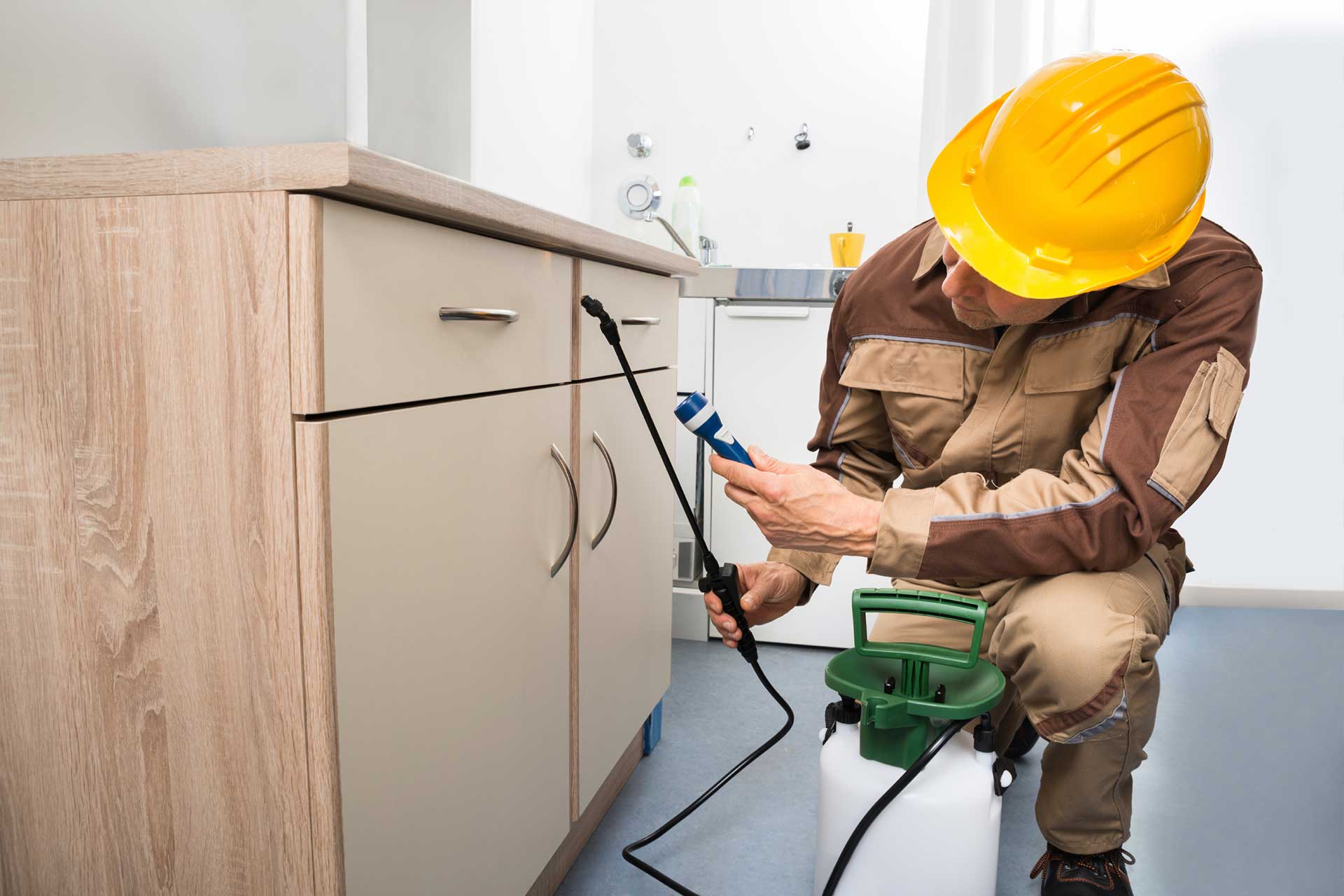
A specialist pest control procedure generally begins with a complete assessment to pinpoint pest varieties, invasion points, and favorable environments adding to the concern. The specialist should take effort examining both interior and exterior locations, giving specific care to cooking areas, wash areas, cellars, and perimeter foundations where pest presence often concentrates. After this evaluation, the expert should detail their findings in detail and propose a treatment approach designed to your individual circumstances, discussing both the designated pests and the approaches recommended for managing them. You may get readiness steps before treatment, possibly featuring shifting objects, emptying individual spaces, or safeguarding companions. In the course of the application, the technician will apply proper materials to targeted zones based on the pest kinds determined, focusing on cracks, gaps, and pest shelter areas rather than broadcasting treatments throughout whole surfaces. They may set up monitoring systems like pest snares or food devices that support monitor development and deliver ongoing security. After ending procedures, a qualified person should explain any subsequent precautions such as airflow needs, re-entry intervals, or spaces to wipe. Before leaving, they should schedule return treatments if essential for notably challenging insects like sleeping pests or German insects that commonly call for numerous procedures for full elimination. Throughout this procedure, technicians should encourage inquiries and supply plain details about the chemicals and approaches utilized, displaying their training and pledge to both efficiency and protection.
Successful pest control is an crucial component of sustaining clean, secure living and business areas in New Jersey. From the moist summers that generate mosquitoes and parasites to the cooler seasons when mice and rats look for refuge inside, pest challenges persist a continuous issue for homeowners and organizations in Monmouth County and Matawan. By knowing usual creatures, using preventive procedures, and understanding when to seek specialist assistance, building holders can defend their investments and the health of tenants.
Using a anticipatory method to pest control is always additional successful and economical than handling to established invasions. Consistent evaluations, suitable care, and dealing with small concerns before they expand can eliminate the significant costs and disturbances linked with substantial pest problems. When specialist help becomes needed, selecting a respected, licensed pest control service who utilizes unified pest control strategies guarantees successful solutions with small ecological influence.